Advice from Paul · Gas Safe #221708

How to balance radiators

In short: Balancing radiators means adjusting the small lockshield valve on each radiator so hot water is shared evenly, slowing the flow to the radiators nearest the boiler so the ones furthest away get their fair share and every room heats up at a similar rate.

  • 5.0 on Google · 126 reviews
  • Gas Safe #221708
  • 40 years on the tools
  • Paul answers the phone himself
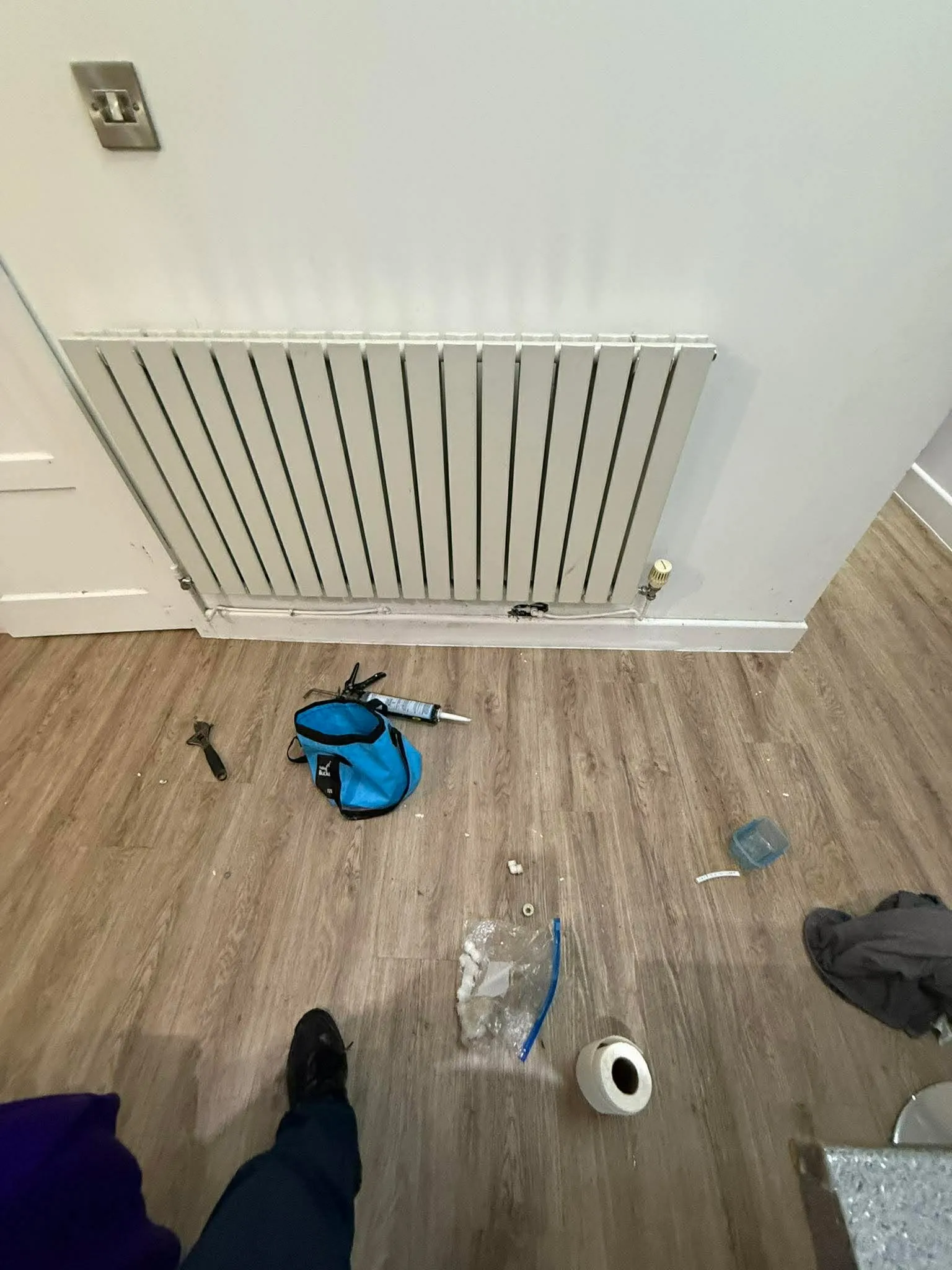
Radiator fitted and balanced as part of a heating upgrade by Paul

If some radiators get roasting hot while others upstairs or at the far end of the house stay lukewarm, your system may just need balancing. It is different from bleeding, bleeding lets trapped air out; balancing shares the hot water evenly around the system.

It is a job a confident DIYer can do with a bit of patience, so here is how it works. If it does not sort it, the cause may be sludge or a pump issue that needs an engineer.

How to balance your radiators, step by step

You will need to turn radiators on and off and feel the pipes, so a bit of patience helps. Bleed all the radiators first so air is not part of the problem.

  1. 01

    Turn everything on and note the order

    Turn the heating off, let it go cold, then turn it on and note which radiators heat up first, usually the ones nearest the boiler. Those are the ones to slow down.

  2. 02

    Turn all radiators fully on

    Open both valves on every radiator fully, the thermostatic or wheel valve and the lockshield (the one with the plastic cap).

  3. 03

    Start with the fastest radiator

    On the radiator that heated up first, close the lockshield valve almost fully, then open it just a small amount. This slows its flow so more hot water reaches the others.

  4. 04

    Work through each radiator

    Move through the radiators in the order they heated, opening the lockshield a little more on each one further from the boiler, so the last radiators are open the most. This shares the heat.

  5. 05

    Check and fine-tune

    Let it settle and feel each radiator. The aim is for them all to warm up at a broadly similar rate. Small tweaks to the lockshields fine-tune it.

When balancing will not fix it

If a radiator is cold at the bottom no matter what you do, that is usually sludge, not balancing, and needs flushing. If several rooms never get warm, or you have a noisy or failing pump, that is a job for an engineer.

Balancing is worth trying, but if the house still will not heat evenly, Paul can find the real cause, whether that is a flush, a pump, or a system that needs proper attention.

Rather just get it sorted?

If your heating still will not warm evenly, ring Paul

You get Paul on the phone, a Gas Safe engineer with 40 years behind him, not a call centre. He will give you a straight answer and a fair fixed price. See central heating for how he can help.

Straight answers

Common questions

What is the difference between bleeding and balancing radiators?

Bleeding releases trapped air from a radiator. Balancing adjusts the lockshield valves so hot water is shared evenly around the whole system, so every room heats at a similar rate. Bleed first, then balance.

Which valve do I use to balance a radiator?

The lockshield valve, the one usually hidden under a plastic cap. You slow the flow on radiators near the boiler and open it more on those further away.

Why is one radiator still cold after balancing?

If a radiator is cold at the bottom, that is usually sludge and needs flushing, not balancing. See our guide on a radiator cold at the bottom, or give Paul a call.

More helpful guides

Honest advice, then a proper fix

Still stuck? Give Paul a bell.

Forty years on the tools, Gas Safe registered, and the fella who quotes it is the fella who does it. No call centre, no pushy sales.

Call Paul now Quote